How to Determine the Best General Contractor for Your Next Home Project
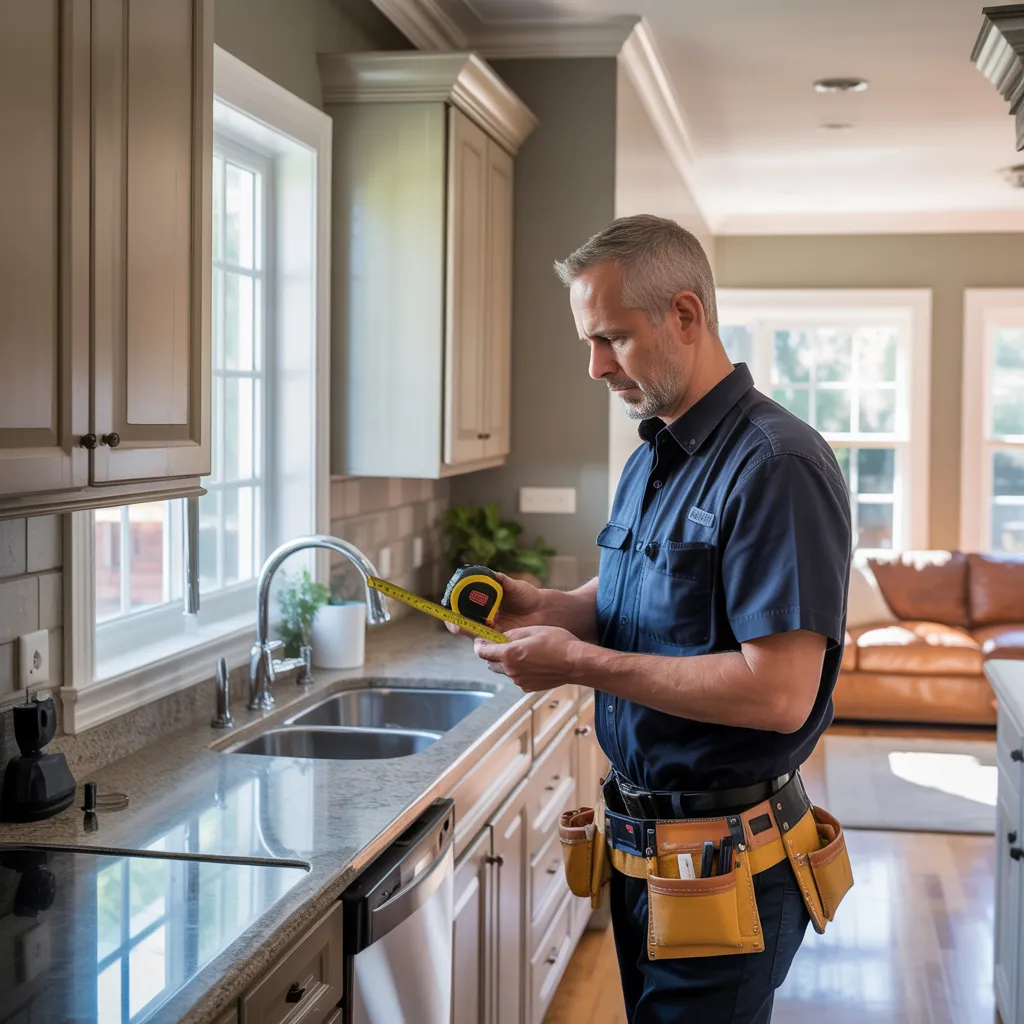
Picking a suitable construction expert for your home undertaking is an important decision. It necessitates thoughtful review of various considerations, including experience, credentials, and interpersonal skills. Several residents disregard important details, causing expensive errors. Grasping how to examine candidate professionals can create a major influence. By emphasizing core requirements and inquiring about the suitable topics, you can handle this difficult process more proficiently. What are the important measures to assure a rewarding working relationship?
Key Elements for Sidestepping Common Mistakes When Selecting a Service provider
When selecting a general contractor, how can one navigate the wide range of selections without falling into common traps? Prospective clients often miss critical elements that can cause negative effects. First, relying solely on price can be incorrect; the lowest bid may mean subpar quality or concealed charges. Additionally, not reviewing endorsements or internet feedback can result in engaging a contractor with a negative history. It is also essential to steer clear of decisions made solely on likability; a friendly contractor may not hold the essential abilities or dependability. Moreover, ignoring explicit dialogue and anticipations can lead to errors and displeasure. Finally, not reviewing contracts thoroughly before signing can result in hidden responsibilities or insufficient defense. By being vigilant and informed, homeowners can make better choices, ultimately resulting in a triumphant outcome.
What to Look For in a Contractor's Background
When examining a contractor's experience, several key factors become relevant. Applicable work history, industry certifications, and an extensive portfolio of completed work serve as critical indicators of their capabilities. Examining these aspects can provide valuable insights into the contractor's suitability for the particular job at hand.
Pertinent Project Experience
Grasping a contractor's applicable work history is crucial for ensuring the positive outcome of any construction endeavor. Prospective clients should evaluate the contractor's portfolio, focusing on completed projects comparable in size and design to their own. This entails reviewing the quality of workmanship, compliance with schedules, and budget management in past projects. Additionally, it is advantageous to ask regarding the kinds of substances employed and the contractor's familiarity with area construction regulations and standards. Reviews and recommendations from past clients can shed light on the contractor's dependability and communication skills. Ultimately, a contractor with considerable applicable expertise can handle difficulties effectively, guaranteeing the undertaking satisfies the homeowner's expectations and standards.
Professional Qualifications And Licenses
Certification and authorization serve as key indicators of a contractor's competence and skill in the construction sector. When selecting a general contractor, it is vital to confirm they have the required licenses dictated by local and state regulations. These licenses demonstrate compliance with building codes and safety standards. Additionally, industry certifications, such as those offered by the National Association of Home Builders or other similar organizations, indicate a contractor's commitment to quality and continuing education. Contractors holding specialized certifications may also possess skills in defined areas, like green building or remodeling. Ensuring a contractor has the proper credentials not only improves confidence in their skills but also minimizes potential legal and financial risks during the project.
Collection Of Completed Projects
A tradesperson's portfolio of accomplished tasks serves as an crucial tool for judging their expertise and competence. This collection should display a mix of projects, demonstrating versatility in different styles and complexities. When looking at a portfolio, interested parties should check for high-quality photos that clearly capture the craftsmanship involved. It is also beneficial to see tasks that match the homeowner's unique demands or design tastes. Precision, original ideas, and adherence to timelines are critical indicators of a contractor’s expertise. Additionally, client testimonials or case studies included in the portfolio can provide enhanced perspective into the contractor's dedication and trustworthiness. Ultimately, a robust portfolio can help homeowners choose wisely about their pending assignments.
Steps to confirm Your Contractor's Credentials and Licenses
Before contracting a general contractor, it is important to validate their qualifications and certifications to verify they adhere to industry standards. Commence by reaching out to local licensing boards to verify that the contractor holds the required licenses for your territory and work scope. Each state establishes its own criteria, so becoming aware of them can circumvent later difficulties.
Additionally, inquire into insurance coverage, including liability and workers' compensation, to secure protection against potential accidents or damages. Gather references from previous clients and touch base to assess satisfaction and reliability.
Lastly, examine any certifications the contractor may acquire, as these often confirm specialized training and observance of industry best practices. A thorough verification process not only ensures compliance but also strengthens confidence in the contractor's ability to complete the project successfully.
Why Regular Communication Is Key in Your Contractor Relationship
Effective communication plays a crucial role in the contractor-client relationship, determining the project's success from the beginning. Clear discussion establishes expectations, timelines, and budgets, guaranteeing both parties are aligned on the project's goals. When clients communicate their vision effectively, contractors can provide expert recommendations and solutions, boosting the overall outcome.
Ongoing information sharing and responsive communication channels enable quick resolution of issues as they surface, preventing potential delays. Additionally, a contractor who listens and addresses client feedback establishes trust, which is essential for collaboration.
Additionally, effective communication assists in handling modifications and unforeseen challenges, keeping the project on schedule. It allows the contractor to adjust approaches based on client input, ensuring satisfaction throughout the process. Ultimately, prioritizing communication not only strengthens the contractor-client connection but also greatly adds to the successful finishing of the home project.
Critical Queries to Discuss with Your Contractor During Opening Meetings
During initial meetings with a contractor, professional tips clients should stress understanding their experience and qualifications. It's important to ask about the project timeline and budget to ensure accord with the client's expectations. These questions build a framework for a successful partnership and effective project management.
Experience and Qualifications
Selecting a contractor relies on understanding their background and qualifications. Homeowners should inquire about the contractor's industry experience and the types of projects they have completed. Specific questions regarding permits, certifications, and insurance are essential, as these guarantee adherence to local laws and offer protection throughout the project. Additionally, examining previous work through portfolios or recommendations can give a glimpse of the contractor's craftsmanship and reliability. It is also helpful to question them on their experience in similar projects, as this can indicate their capability to handle specific obstacles. Ultimately, assessing a contractor's credentials and background fosters confidence and helps homeowners make informed decisions about their home projects.
Project Timeframe and Budget
What ways can property owners implement to guarantee their project stays on schedule financially and temporally when engaging with a general contractor? To stay aligned, they should ask critical questions during first consultations. Homeowners must inquire about the projected schedule for project completion and any potential delays that could develop. Understanding the contractor's approach to schedule management is critical. Furthermore, addressing the budget upfront is important; homeowners should request clarity on pricing quotes, payment schedules, and any included contingencies for unexpected costs. Asking about previous projects can give understanding into the contractor's track record in meeting deadlines and staying within budget. By fostering transparent dialogue regarding timelines and finances, homeowners can foster a positive relationship with their contractor, enhancing the chances of a successful project.
Recommendations for Reviewing References and Analyzing Reviews
What steps should one implement to ensure a general contractor is reliable? First, it is crucial to request a list of referrals from potential contractors. A reputable contractor will readily supply names and contact information of previous clients. One should contact these references to inquire about their experiences, concentrating on aspects such as communication, quality of work, and adherence to timelines.
Additionally, examining online feedback on sites like Google, Yelp, or Angie's List can offer useful information. It is crucial to identify patterns in the comments—consistent compliments or criticism can suggest dependability or potential issues.
Furthermore, reviewing any complaints submitted with local licensing boards or consumer protection agencies can reveal a contractor's background. Finally, asking for recent project photos can help judge the excellence of their work. By taking these steps, one can make a more informed decision when picking a general contractor.
Learning About Contractor Pricing and Payment Terms
Property owners ought to get familiar with common payment terms. Most contractors insist on a deposit beforehand, with subsequent progress payments contingent on project milestones. It's essential to negotiate these terms before approving a contract to steer clear of misunderstandings. Additionally, homeowners should check potential hidden expenses, such as permits or unforeseen maintenance. Transparent communication regarding fee structure and payment terms will help cultivate a candid working relationship, thereby creating a successful project outcome. Absorbing these elements allows homeowners to make sound choices when hiring a general contractor.
Frequently Requested FAQs
How Much Duration Will Be Needed to Finish the Project?
Project duration typically varies based on complexity and scope. Generally, the work could require multiple weeks or months. Factors including climate conditions, material availability, and workforce availability can greatly influence the project completion schedule.
What Takes Place if Surprise Complications Emerge During Construction?
If unexpected issues emerge during construction, the contractor typically evaluates the situation, communicates with the homeowner, and proposes recommendations. Adjustments to the schedule and budget may be necessary, ensuring clarity throughout the undertaking.
Will My Initiative Need Permits or Examinations?
Most assignments demand inspection and permit approvals to ensure compliance with local construction standards. It is essential to speak with a general contractor who understands these requirements, as they can navigate the permitting process efficiently.
How Do You Oversee Subcontractors and Their Financial Disbursements?
A renowned general contractor administers subcontractors by instituting definitive agreements setting forth payment terms. They guarantee quick compensation, establish ongoing dialogue, and monitor subcontractor performance, advancing a collaborative environment that contributes to project completion and optimization.
What Is Your Position to Project Changes or Improvements?
The contractor follows a fluid approach to project changes, requiring documented proof for any modifications. They guarantee open dialogue, review expense considerations, and adapt project schedules accordingly to support the client's evolving needs and preferences.
Comments on “Hire Tucson General Contractor for Room Additions”